Black History Month Embroidery
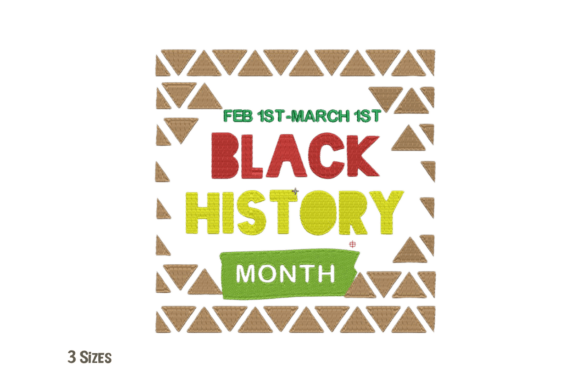
As an embroidery designer and product reviewer, I’ve evaluated countless machine embroidery designs, but few carry the weight of cultural significance that Black History Month Embroidery does. This design isn’t just a set of stitches—it’s a statement, a tribute, and a celebration of heritage. From the moment I opened the multi-format file, I could feel the intention behind it. The vibrant red, yellow, and green text framed with bold typography immediately evokes a sense of pride and energy.
The First Impression: Mood, Layout, and Visual Personality
Black History Month Embroidery has a strong visual personality. The layout is clean and impactful, making it ideal for projects that need to make a clear, immediate impression. The color palette—red, yellow, and green—feels intentional, reminiscent of the Pan-African flag. It’s not just about aesthetics; it’s about creating a design that resonates emotionally. Whether it’s on a tote bag, a sweatshirt, or a baby onesie, the design commands attention without being overwhelming.
The shape of the design is versatile enough to fit on a variety of surfaces, from flat fabrics to curved items like caps. However, its boldness also means it needs careful placement to avoid looking cluttered. For instance, on a small hoop size, the design might feel cramped, so it’s important to consider how it will translate in different formats.
Real-Life Embroidery Use Cases
When I think about where Black History Month Embroidery would shine, custom apparel comes to mind first. A sweatshirt with this design would be a powerful statement piece, especially during February. Tote bags are another natural fit—perfect for small business owners or Etsy sellers looking to add meaningful, seasonal items to their inventory. The design also works well as an embroidered patch, which can be sewn onto jackets, backpacks, or even children’s clothing.
For baby items, the design adds a personal touch that parents might appreciate. A onesie or a blanket with Black History Month Embroidery could become a cherished keepsake. Similarly, holiday gifts like aprons, pillow covers, or kitchen towels could benefit from this design, especially if they’re meant to be given as tokens of appreciation or remembrance.
As a digital product seller, I also see potential in printable mockups and design assets. This embroidery file could be used to create eye-catching previews for online shops, helping customers visualize how the design would look on different products before purchasing.
Where to Use With Caution
While Black History Month Embroidery is visually striking, there are some situations where it may not perform as well. On textured fabrics, such as fleece or corduroy, the stitch density could cause the design to appear less crisp. Thin or stretchy fabrics might also challenge the clarity of the details, especially in areas with dense stitching.
On dark fabrics, the contrast between the red, yellow, and green threads might not be as vivid. It’s worth testing the design on different fabric backgrounds to ensure it looks good in all conditions. Additionally, if you’re planning to use it on a layered garment or a curved surface like a cap, you’ll need to adjust the hoop size and stabilizer accordingly.
Small details, like the corners of the text or any decorative accents, may require extra care. If the design includes tiny lettering or intricate elements, it’s important to test it on scrap fabric first to confirm that it translates well in real-world conditions.
Impact on Visual Appeal and Customer Perception
One of the most valuable aspects of Black History Month Embroidery is how it elevates the visual appeal of any project. A well-embroidered piece with this design can transform a simple item into something meaningful and memorable. Customers often respond positively to designs that reflect cultural values, and this one has the potential to build trust and connection with your audience.
From a handmade product perspective, the design adds a layer of professionalism that can set your work apart. Whether you’re selling on Etsy or running a small shop, having a design that feels authentic and thoughtful can increase buyer engagement and encourage repeat purchases.
For commercial embroidery projects, the design’s versatility makes it a strong asset. It can be used in bulk for promotional items, school uniforms, or event merchandise. As long as the licensing terms allow for commercial use, it could be a valuable addition to your portfolio.
Practical Designer Notes
Before jumping into using Black History Month Embroidery in your next project, here are a few practical tips to keep in mind:
- Test on scrap fabric first to ensure the design looks good on your chosen material.
- Check thread color contrast against your fabric to avoid dull or washed-out results.
- Review stitch density to make sure it’s appropriate for your project’s needs.
- Confirm hoop size to ensure the design fits comfortably and doesn’t get distorted.
- Inspect small details to identify any areas that may need adjustment.
- Test in black and white mockups to see how the design holds up without color.
- Compare light and dark fabric backgrounds to understand how the design adapts.
- Use proper stabilizer to prevent puckering or distortion on delicate or stretchy materials.
- Verify licensing before selling finished items or digital products.
Black History Month Embroidery is more than just a design—it’s a tool for storytelling, connection, and expression. Whether you’re an embroidery designer, a small business owner, or a hobbyist, this design offers a unique opportunity to create meaningful, high-quality work that resonates with your audience. With the right approach, it can become a staple in your collection of machine embroidery designs.